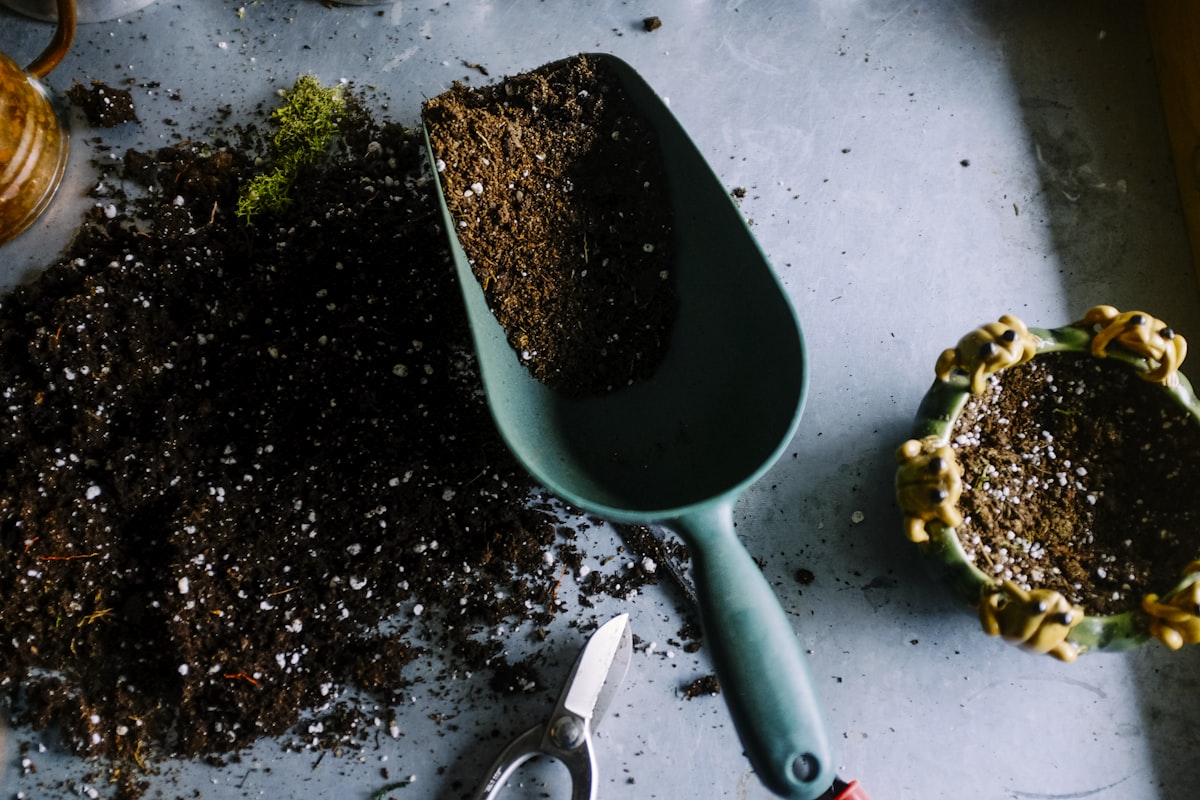
Starting a garden can feel overwhelming when faced with endless plant varieties, conflicting advice, and the fear of killing everything you touch. The secret to garden success isn't having a green thumb—it's having a solid plan. Whether you're working with a small balcony or a sprawling backyard, proper planning transforms gardening from frustrating guesswork into an enjoyable, rewarding journey that yields beautiful results from day one.
Successful gardens start on paper, not in the soil. The most thriving gardens are those planned with intention, considering everything from sun patterns to watering logistics before the first seed is planted.
Understanding Your Garden's Personality

Proper planning begins with understanding your space's unique conditions
Every garden space has its own personality shaped by climate, soil, sunlight, and water patterns. Understanding these fundamental characteristics before choosing plants is the difference between a garden that thrives and one that struggles. This assessment phase might seem tedious, but it's the foundation that makes everything else possible.
Start by observing your space throughout different times of day and seasons. Note where the sun hits during morning, midday, and evening hours. Track how water moves across your space during rain, and identify any microclimates created by buildings, trees, or topography.
The Essential Site Analysis
| Factor | How to Assess | Why It Matters | Planning Impact | Beginner Tip |
|---|---|---|---|---|
| Sunlight Patterns | Track hourly for full day | Determines plant selection | High | Use phone to photo same spots every 2 hours |
| Soil Quality | Simple soil test kit | Affects plant health and growth | Very High | Start with pH test from garden center |
| Water Access | Measure hose reach | Determines maintenance ease | High | Plan beds within 50 feet of water source |
| Drainage | Observe after rain | Prevents root rot issues | High | Avoid areas with standing water |
| Wind Patterns | Note prevailing winds | Affects plant placement | Medium | Observe during different weather |
| Microclimates | Temperature variations | Extends growing possibilities | Medium | Start simple, learn over time |
| Existing Features | Map trees, structures | Influences design layout | High | Draw to scale on graph paper |
| Slope and Grade | Visual assessment | Affects water flow and planting | Medium | Use water level to check slopes |
Defining Your Garden Goals
Before selecting plants or designing beds, clarify what you want from your garden. Different goals require different approaches, and trying to achieve everything at once often leads to disappointment. Start with one primary goal and build from there.
Common Beginner Garden Goals
- Fresh Food Production: Vegetables, herbs, and fruits for the kitchen
- Beautiful Landscaping: Ornamental plants for curb appeal and enjoyment
- Wildlife Habitat: Native plants to support birds, butterflies, and beneficial insects
- Learning Experience: Experimenting with different plants and techniques
- Therapeutic Activity: Relaxing hobby that connects you with nature
- Cost Savings: Reducing grocery bills with homegrown produce
Goal-Setting Reality Check
Be honest about your available time and energy. A small, well-maintained garden is far more satisfying than a large, overwhelming one. You can always expand successful areas later.
The Three-Phase Planning Approach
Dream Phase
Collect inspiration, research possibilities, and envision your ideal garden without constraints.
Reality Phase
Apply site conditions, budget, and time constraints to create a practical plan.
Action Phase
Break the plan into manageable steps with timeline and priority order.
Soil: Your Garden's Foundation

Healthy soil is the foundation of every successful garden
Soil quality determines everything in your garden. Plants can adapt to less-than-perfect light or water conditions, but poor soil creates struggles that no amount of care can overcome. Understanding and improving your soil is the most important investment you can make.
Simple Soil Assessment for Beginners
- The Squeeze Test: Grab a handful of moist soil and squeeze. Sandy soil won't hold together, clay soil forms a hard ball, and loamy soil holds shape but crumbles easily.
- The Jar Test: Mix soil with water in a clear jar, shake, and let settle. You'll see layers showing sand, silt, and clay percentages.
- pH Test: Use inexpensive test strips to determine acidity or alkalinity. Most plants prefer slightly acidic to neutral soil (6.0-7.0 pH).
- Drainage Test: Dig a hole, fill with water, and time how long it takes to drain. Ideal drainage is 1-3 inches per hour.
The best time to improve soil is before you plant anything. Adding organic matter, adjusting pH, and improving drainage are much easier with empty beds than around established plants.
Calculate Your Garden Needs
Determine soil, mulch, and fertilizer requirements:
Plant Selection Strategy for Success
Choose plants like you're assembling a team—each member should be well-suited for their role and able to work well with teammates. Beginners often fail by choosing plants they love without considering whether those plants can thrive in their specific conditions.
The Beginner's Plant Selection Formula
- Start with Native Plants: They're adapted to your climate and require less care
- Choose Forgiving Varieties: Select plants known for disease resistance and adaptability
- Match Plant Needs to Site Conditions: Don't fight your garden's natural characteristics
- Plan for Succession: Include plants that bloom or produce at different times
- Consider Mature Size: Give plants room to grow to their full size
Beginner-Friendly Plants
- Sunflowers (cheerful and easy)
- Marigolds (pest-deterrent flowers)
- Tomatoes (productive and rewarding)
- Lettuce (quick growing greens)
- Hostas (reliable shade perennials)
- Black-eyed Susans (drought-tolerant)
Plants to Avoid Initially
- Roses (disease and pest prone)
- Azaleas (specific soil requirements)
- Orchids (specialized care needs)
- Delicate herbs like basil (temperature sensitive)
- High-maintenance perennials
- Plants outside your hardiness zone
Seasonal Planning: Working with Nature's Rhythm
Spring Planning
- Soil preparation and testing
- Cool-season crop planting
- Garden bed creation
- Tool and supply organization
Summer Focus
- Heat-tolerant plant installation
- Consistent watering routines
- Pest monitoring and management
- Harvest and succession planting
Fall Preparation
- Cool-season vegetables
- Perennial planting
- Seed collection
- Garden cleanup and mulching
Winter Planning
- Garden design and research
- Seed ordering and planning
- Tool maintenance
- Indoor growing projects
Layout and Design Principles

Thoughtful layout makes gardens both beautiful and functional
Good garden design isn't about artistic talent—it's about creating functional spaces that work with your lifestyle and maintenance preferences. Start with practical considerations like access, maintenance, and growth patterns, then add aesthetic elements.
Essential Design Principles
- Accessibility: Plan paths and work areas for easy maintenance
- Scale: Size elements appropriately for your space
- Repetition: Use consistent materials and plants for cohesion
- Focal Points: Create visual anchors with special plants or features
- Edge Definition: Clear boundaries between lawn, beds, and paths
- Seasonal Interest: Plan for year-round appeal
Start Small, Think Big
Begin with one well-planned bed rather than trying to landscape your entire property. Master the basics in a manageable space, then expand your success to other areas.
Water-Wise Planning
Water management is often the difference between garden success and failure. Plan your irrigation strategy before planting, grouping plants with similar water needs and ensuring easy access to water sources.
Smart Watering Strategies
- Group plants by water requirements (drought-tolerant vs. moisture-loving)
- Position high-maintenance plants closest to water sources
- Plan for mulching to conserve moisture
- Consider drip irrigation for consistent, efficient watering
- Install rain collection systems where appropriate
- Choose native plants that match your natural rainfall patterns
Budget Planning and Phased Implementation
Garden Investment Reality
A basic 100-square-foot vegetable garden costs $200-500 to establish, while ornamental gardens range from $300-1,000 depending on plant choices and infrastructure needs.
Garden expenses can quickly escalate without careful planning. Prioritize investments that provide long-term benefits and implement your garden in phases to spread costs over multiple seasons.
Smart Budget Allocation
- 40% Soil Improvement: Compost, amendments, and soil preparation
- 30% Plants: Seeds, seedlings, and larger specimens
- 20% Infrastructure: Beds, paths, and irrigation
- 10% Tools and Supplies: Essential equipment and ongoing materials
Common Beginner Planning Mistakes
Learning from others' mistakes saves time, money, and frustration. These common planning errors can derail even the most enthusiastic beginners, but they're all easily avoidable with awareness.
Planning Pitfalls to Avoid
- Planting too much too soon without maintenance capacity
- Choosing plants before understanding site conditions
- Ignoring mature plant sizes when spacing
- Underestimating water and maintenance requirements
- Failing to plan for seasonal changes
- Not considering neighbor impacts (shade, overhang, etc.)
- Skipping soil improvement to save money initially
The most successful beginning gardeners are those who plan conservatively, start small, and focus on mastering basics before expanding to more ambitious projects.
Technology Tools for Modern Garden Planning
Digital tools can simplify garden planning, from apps that track sunlight patterns to software that helps design layouts. While not essential, these resources can help beginners make more informed decisions.
Helpful Planning Resources
- Garden Planning Apps: GrowVeg, Garden Planner, iScape
- Plant Identification: PlantNet, Seek, PictureThis
- Weather Tracking: Local weather stations, frost date calculators
- Soil Testing: University extension services, mail-in testing
- Design Software: SketchUp, free online garden planners
Creating Your Garden Timeline
Successful gardens are built over multiple seasons. Plan your first year for learning and establishing basics, with major improvements and expansions happening in subsequent years.
Break your garden creation into manageable phases with realistic timelines. Most beginners underestimate the time required for each step, leading to rushed work and poor results.
Year One Timeline
- Winter: Planning, research, and design (3-4 months)
- Early Spring: Soil preparation and bed creation (4-6 weeks)
- Spring: Planting and initial setup (2-3 weeks)
- Growing Season: Maintenance, observation, and learning (6-7 months)
- Fall: Assessment, cleanup, and planning improvements (4-6 weeks)
Maintenance Planning for Long-Term Success

Proper planning includes realistic maintenance schedules and tool organization
The most beautiful garden plan fails without realistic maintenance planning. Consider your available time, physical capabilities, and seasonal scheduling when designing your garden. A low-maintenance garden that thrives is far better than a high-maintenance garden that struggles.
Weekly Maintenance Planning
- Spring (1-3 hours/week): Planting, soil preparation, early pest monitoring
- Summer (2-4 hours/week): Watering, harvesting, deadheading, pest control
- Fall (1-2 hours/week): Cleanup, mulching, plant protection
- Winter (30 minutes/week): Planning, tool maintenance, indoor starts
Record Keeping for Continuous Improvement
Successful gardeners are excellent record keepers. Track what works, what fails, and what you want to try differently next season. This information becomes invaluable for refining your approach and expanding successfully.
Essential Garden Records
- Plant varieties and their performance in your conditions
- Planting and harvest dates for succession planning
- Weather patterns and their garden impacts
- Pest and disease occurrences and treatments
- Soil improvement efforts and results
- Watering schedules and plant responses
- Photo documentation of garden progress
Simple Record Keeping
Use your phone to take weekly photos and voice notes about garden observations. This creates an easy visual and audio record without requiring formal writing or complicated systems.
Problem Prevention Through Planning
Most garden problems are preventable through proper planning. Understanding common issues and building prevention into your design saves enormous time and frustration throughout the growing season.
Common Issues and Prevention Strategies
- Pest Problems: Choose resistant varieties, encourage beneficial insects, plan companion plantings
- Disease Issues: Ensure proper spacing for air circulation, avoid overhead watering, select disease-resistant plants
- Water Stress: Group plants by water needs, mulch heavily, plan efficient irrigation
- Nutrient Deficiencies: Test and improve soil before planting, plan fertilization schedule
- Overcrowding: Research mature plant sizes, plan adequate spacing
- Seasonal Gaps: Plan succession plantings and choose plants with different bloom/harvest times
Community Resources and Support

Local gardening communities provide invaluable support and knowledge sharing
Connecting with local gardening communities accelerates learning and provides ongoing support. Experienced gardeners are typically generous with advice, and local groups understand the specific challenges and opportunities in your area.
Building Your Garden Support Network
- Local Extension Services: Science-based advice specific to your region
- Garden Clubs: Experienced members and plant swaps
- Community Gardens: Hands-on learning with shared resources
- Nursery Staff: Professional advice and local plant expertise
- Online Communities: Regional gardening forums and social media groups
- Master Gardener Programs: Volunteer experts trained by universities
Planning for Different Garden Types
Food Production Gardens
- Focus on high-yield, space-efficient plants
- Plan succession plantings for continuous harvest
- Include storage and preservation planning
- Design for easy access and maintenance
- Consider season extension techniques
Ornamental Gardens
- Plan for continuous seasonal interest
- Design visual flow and focal points
- Balance maintenance with visual impact
- Consider mature sizes and growth habits
- Plan color schemes and texture combinations
Adapting Plans to Your Space
Garden planning principles apply whether you're working with acres or containers. Adapt strategies to match your available space while maintaining focus on the fundamentals of sun, soil, water, and plant selection.
Small Space Planning Strategies
- Vertical Growing: Use trellises, walls, and hanging systems
- Container Gardens: Mobile gardens with controlled growing conditions
- Intensive Methods: Square foot gardening and raised bed systems
- Multi-functional Plants: Edible landscaping and dual-purpose varieties
- Succession Planting: Multiple crops in same space across seasons
The most rewarding gardens are those planned to match the gardener's lifestyle, available time, and personal interests rather than following someone else's vision of what a garden should be.
From Plan to Reality: Implementation Tips
The transition from planning to planting is where many beginners stumble. Start with 70% of your planned garden and leave 30% flexibility for learning, adjusting, and expanding based on real experience.
Even the best plans require adjustment when implemented in real-world conditions. Build flexibility into your approach and expect to refine your garden over multiple seasons as you learn what works best in your specific situation.
Implementation Success Strategies
- Start earlier than you think necessary with soil preparation
- Order plants and materials well in advance of planting dates
- Prepare backup plans for weather delays and plant failures
- Begin with proven, easy-to-grow varieties before experimenting
- Document your process for future reference and improvement
- Connect with local gardeners for ongoing advice and support
Measuring Success and Planning Improvements
Define success metrics that align with your original goals. Whether measuring harvest yields, aesthetic satisfaction, or learning achievements, clear success criteria help guide improvements for subsequent seasons.
Success Metrics to Track
- Plant survival rates and overall health
- Harvest quantities and quality (for food gardens)
- Seasonal interest and visual appeal (for ornamental gardens)
- Time investment versus satisfaction levels
- Cost versus results achieved
- Personal learning and skill development
- Wildlife attraction and ecosystem benefits