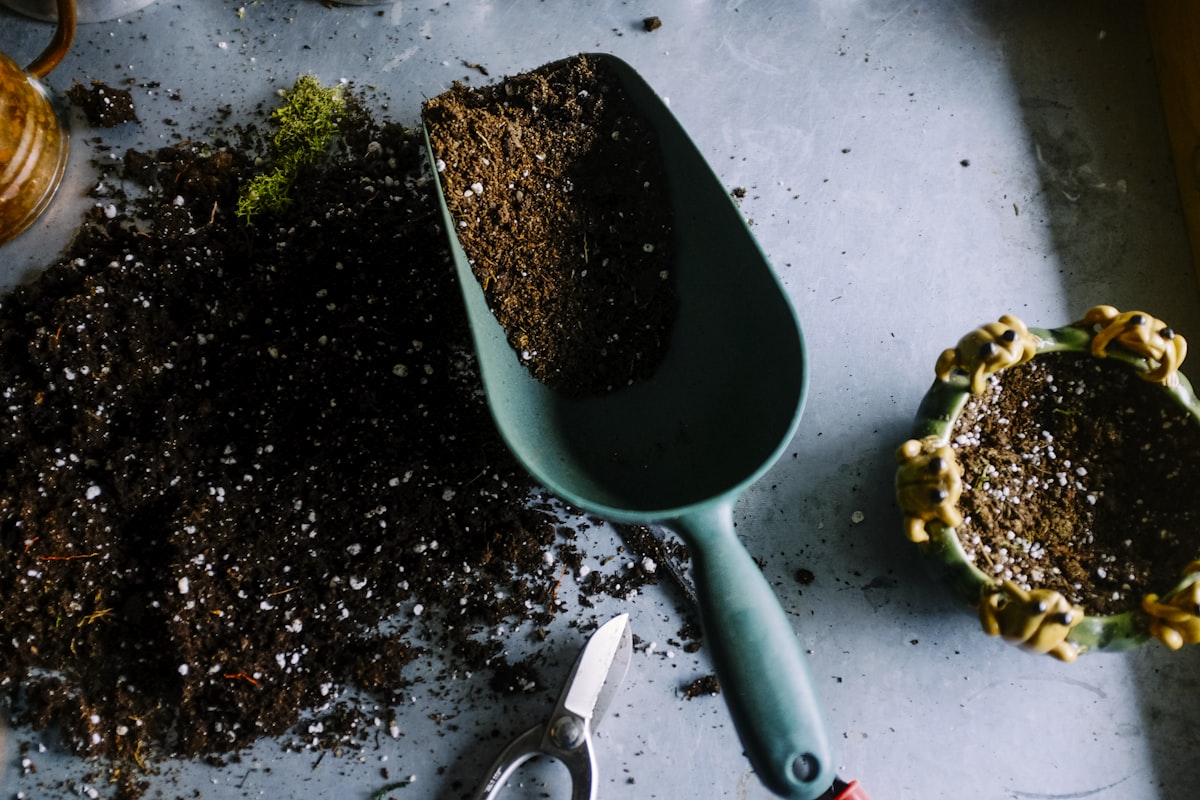
Garden maintenance isn't a one-size-fits-all activity—it's a carefully orchestrated dance with nature's seasons. Each time of year brings unique opportunities and challenges that require specific attention and care. Understanding this seasonal rhythm transforms garden maintenance from overwhelming guesswork into manageable, strategic actions that compound into extraordinary results. When you align your maintenance efforts with natural cycles, your garden responds with vigorous growth, abundant harvests, and resilient health that makes every season more rewarding than the last.
Gardens maintained with seasonal awareness require 40% less intervention while producing significantly better results than those managed with generic, year-round approaches.
Understanding Seasonal Garden Rhythms
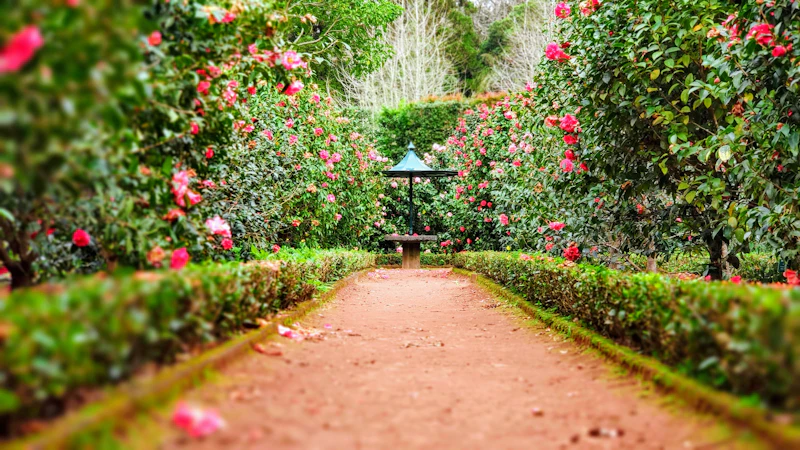
Natural seasonal transitions guide effective maintenance timing
Every garden operates on natural cycles that extend far beyond simple temperature changes. Daylight length, soil temperature, humidity patterns, and precipitation rhythms all influence plant behavior and maintenance needs. Successful gardeners learn to read these signals and time their interventions for maximum effectiveness.
Plants themselves provide the best guidance for maintenance timing. When trees begin budding, it's time for early spring tasks. When soil temperatures reach specific thresholds, planting windows open. When daylight hours shorten, it's time to prepare for dormancy. This biological timing proves far more reliable than calendar dates, which can vary significantly from year to year.
Spring: The Season of Awakening and Preparation
Early Spring Tasks
Mid-Spring Tasks
Late Spring Tasks
Spring Priorities
Focus: Foundation building and growth preparation
Key Success Factor: Timing tasks with soil and weather conditions rather than calendar dates
Common Mistake: Rushing to plant before soil has warmed adequately
Spring maintenance sets the foundation for the entire growing season. This is when you address structural issues, prepare growing spaces, and establish systems that will support plants through their most vigorous growth periods. The key to spring success lies in patience—waiting for proper soil conditions rather than rushing based on calendar dates or enthusiasm.
Critical Spring Soil Work
Soil preparation in spring makes or breaks the growing season. Working soil when it's too wet creates compaction that affects plants all year. The simple squeeze test reveals soil readiness: grab a handful of moist soil and squeeze. If it crumbles when poked, it's ready. If it holds together in a muddy ball, wait for better conditions.
Spring Timing Secret
Start spring tasks when soil temperature reaches 50°F consistently, regardless of air temperature. This biological signal triggers root activity and makes soil work more effective.
Summer: The Season of Growth and Vigilance

Summer maintenance focuses on supporting peak growth and preventing problems
Summer maintenance shifts from preparation to active management. Plants are growing rapidly, water demands peak, and pest populations explode. This season requires consistent attention to watering, harvesting, and problem prevention rather than major projects.
Water Management Mastery
Summer watering success depends more on technique than frequency. Deep, less frequent watering encourages deep root development and drought tolerance. Water early morning to minimize evaporation and fungal diseases. Monitor soil moisture at root level rather than surface appearance—stick your finger 2-3 inches into soil to check actual moisture levels.
Summer Success Strategies
- Establish consistent morning watering routines
- Mulch heavily to conserve moisture and suppress weeds
- Harvest regularly to encourage continued production
- Monitor for pest problems and address quickly
- Provide shade protection during extreme heat
- Maintain consistent feeding schedules for heavy feeders
Summer Maintenance Priorities
- Daily observation walks for early problem detection
- Weekly deep watering rather than daily light watering
- Bi-weekly harvest and deadheading sessions
- Monthly soil moisture and fertility assessments
- Seasonal succession planting for continuous harvests
- Heat stress prevention for sensitive plants
Pest and Disease Prevention
Summer's warm, humid conditions create perfect breeding grounds for garden problems. Prevention remains far more effective than treatment. Encourage beneficial insects with diverse flowering plants, maintain good air circulation through proper spacing and pruning, and remove diseased plant material immediately to prevent spread.
Calculate Your Garden Needs
Determine maintenance schedules and resource requirements:
Fall: The Season of Harvest and Preparation
Fall maintenance focuses on harvest, cleanup, and preparation for winter dormancy. This season offers the last opportunity to strengthen plants for winter survival and set the stage for next year's success. Fall work often determines spring garden health more than spring efforts themselves.
Strategic Fall Cleanup
Fall cleanup requires selectivity rather than wholesale removal. Remove diseased plant material and pest-harboring debris, but leave beneficial materials like ornamental grass plumes and seed heads that provide winter interest and wildlife food. Compost healthy plant material after seeds have been collected or dispersed.
Essential Fall Maintenance Checklist
- Harvest and Storage: Collect mature crops and preserve surplus for winter use
- Seed Collection: Gather seeds from best-performing plants for next year
- Soil Protection: Apply mulch and cover crops to prevent erosion
- Plant Protection: Wrap sensitive plants and install windbreaks
- Tool Care: Clean, oil, and store equipment properly
- Irrigation Systems: Drain and winterize water systems
- Planning: Assess season's successes and plan improvements
Extending the Growing Season
Fall offers opportunities to extend productivity with season extension techniques. Cold frames, row covers, and greenhouse spaces allow continued harvesting well into winter. Plant cool-season crops in late summer for fall and early winter harvests that often taste better than their spring counterparts.
Fall maintenance sets the stage for spring success. Plants that enter winter healthy and well-prepared emerge stronger and more vigorous when growing conditions return.
Winter: The Season of Rest and Planning

Winter maintenance focuses on protection, planning, and preparation
Winter maintenance shifts to protection, planning, and indoor growing activities. While outdoor work diminishes, this season provides crucial time for education, planning, and preparing for the next growing cycle. Many gardeners overlook winter's importance, but activities during dormant months often determine next year's garden success.
Plant Protection Strategies
Winter protection varies dramatically by climate, but principles remain consistent. Protect plants from wind damage, prevent freeze-thaw cycles from damaging roots, and maintain adequate moisture levels. Mulching, wrapping, and strategic placement of barriers can mean the difference between plant survival and loss.
Indoor Growing Opportunities
Winter opens possibilities for indoor growing that maintains gardening skills and provides fresh produce. Herbs, microgreens, and sprouting projects require minimal space while offering maximum satisfaction. Starting seeds indoors for spring transplanting saves money and ensures access to desired varieties.
Winter Protection Tasks
- Apply protective mulch around tender plants
- Wrap or cover sensitive shrubs and trees
- Install windbreaks in exposed locations
- Monitor soil moisture in mild winter periods
- Protect containers from freeze damage
- Maintain bird feeding stations for beneficial wildlife
Winter Planning Activities
- Review and analyze previous season's records
- Research new varieties and techniques
- Plan next year's garden layout and rotations
- Order seeds and plan starting schedules
- Maintain and repair tools and equipment
- Educate yourself through books and courses
Essential Tools for Seasonal Maintenance
Basic Hand Tools
- Quality pruning shears for precise cutting
- Garden fork for soil cultivation
- Hand trowel for planting and weeding
- Cultivating hoe for surface weed control
- Watering wand for gentle irrigation
Seasonal Specialists
- Soil thermometer for timing decisions
- pH testing kit for soil monitoring
- Rain gauge for watering decisions
- Harvest baskets and containers
- Row covers and protection materials
Maintenance Equipment
- Wheelbarrow for material transport
- Sprayer for organic treatments
- Spreader for fertilizer application
- Sharp spade for transplanting
- Long-handled tools for efficiency
Creating Your Personal Maintenance Calendar
Customization is Key
Generic maintenance schedules provide starting points, but your garden's unique conditions, plant selection, and local climate require personalized timing. Build your calendar through observation and adjustment over multiple seasons.
Develop a maintenance calendar based on your local climate, garden type, and personal schedule. Start with general seasonal guidelines, then adjust timing based on actual weather patterns and plant responses in your specific location. Track what works and refine your approach annually.
Calendar Development Strategy
- Base Timing on Natural Signals: Use plant and weather cues rather than calendar dates
- Batch Similar Tasks: Group related activities for efficiency
- Build in Flexibility: Allow for weather delays and schedule changes
- Include Recovery Time: Don't pack every weekend with garden work
- Plan for Peak Seasons: Summer requires more frequent attention than winter
- Account for Travel: Arrange care during absence periods
Problem Prevention Through Seasonal Care
Most garden problems result from maintenance lapses rather than difficult growing conditions. Consistent seasonal care prevents issues before they become serious problems requiring intensive intervention.
Prevention-Focused Approach
- Spring Prevention: Proper soil preparation and plant spacing prevent many summer problems
- Summer Prevention: Consistent watering and pest monitoring prevent stress-related issues
- Fall Prevention: Thorough cleanup and protection prevent winter damage
- Winter Prevention: Planning and preparation prevent next season's problems
Consistent maintenance throughout the year requires less total effort than crisis management when problems accumulate from neglect.
Adapting to Climate Change

Modern gardens require adaptive maintenance strategies for changing climate conditions
Traditional maintenance schedules increasingly require adjustment for changing climate patterns. Earlier springs, more intense summer heat, unpredictable precipitation, and shifting pest ranges demand flexible, adaptive approaches to seasonal care.
Climate Adaptation Strategies
- Monitor local weather patterns and adjust timing accordingly
- Select plants adapted to your changing climate conditions
- Install infrastructure for extreme weather protection
- Develop water conservation and storage systems
- Learn to recognize and respond to new pest and disease pressures
- Build soil health for increased resilience to weather extremes
Seasonal Maintenance for Different Garden Types
Vegetable Gardens
- Spring: Intensive soil preparation and succession planting
- Summer: Daily harvesting and consistent watering
- Fall: Preservation activities and season extension
- Winter: Planning rotations and starting seeds indoors
Ornamental Gardens
- Spring: Pruning, dividing, and new plantings
- Summer: Deadheading and maintenance watering
- Fall: Cutting back perennials and protecting tender plants
- Winter: Planning design changes and ordering plants
Time Management for Seasonal Maintenance
Effective seasonal maintenance requires realistic time allocation and efficient work strategies. Many gardeners underestimate maintenance time requirements, leading to overwhelming backlogs and neglected tasks that compound into larger problems.
Seasonal Time Investment Guidelines
- Spring (High Activity): 3-5 hours per week for intensive preparation and planting
- Summer (Peak Maintenance): 4-6 hours per week for watering, harvesting, and monitoring
- Fall (Moderate Activity): 2-4 hours per week for cleanup and winter preparation
- Winter (Low Activity): 1-2 hours per week for planning and indoor projects
Efficiency Maximization
Batch similar tasks together and work during optimal conditions. Early morning summer sessions avoid heat stress for both gardener and plants, while mild winter days are perfect for cleanup tasks.
Record Keeping for Seasonal Success
Maintenance records become invaluable guides for timing future activities and improving garden performance. Track what works, what fails, and how timing affects outcomes in your specific conditions.
Essential Records to Maintain
- Weather and Climate Data: First/last frost dates, rainfall patterns, temperature extremes
- Task Timing: When activities were performed and their effectiveness
- Plant Performance: Which varieties thrived with specific maintenance approaches
- Problem Patterns: Recurring issues and successful prevention strategies
- Resource Usage: Water, fertilizer, and time investments versus results
- Seasonal Photos: Visual documentation of garden changes and growth
Sustainable Maintenance Practices

Sustainable practices reduce maintenance requirements while improving garden health
Sustainable maintenance practices reduce long-term work requirements while improving garden ecosystem health. These approaches work with natural systems rather than against them, creating self-maintaining cycles that minimize external inputs.
Building Natural Maintenance Systems
- Soil Health Focus: Healthy soil reduces fertilizer needs and improves plant resilience
- Beneficial Insect Habitat: Diverse plantings reduce pest control requirements
- Native Plant Integration: Adapted plants require minimal maintenance intervention
- Composting Systems: On-site nutrient cycling reduces waste and input costs
- Water Conservation: Efficient systems reduce maintenance time and resource use
- Natural Pest Control: Biological solutions provide long-term problem management
Common Seasonal Maintenance Mistakes
Understanding common maintenance errors helps avoid problems that can affect garden health for entire seasons or longer. Many mistakes stem from impatience, poor timing, or trying to force unnatural growing conditions.
Timing Mistakes
- Working soil when too wet in spring
- Pruning at wrong times for specific plants
- Applying fertilizer when plants can't use it
- Watering during peak heat instead of early morning
- Starting seeds too early or late for local conditions
Intensity Mistakes
- Over-fertilizing leading to weak, disease-prone growth
- Over-watering causing root rot and fungal problems
- Over-pruning weakening plants unnecessarily
- Under-mulching requiring excessive weed control
- Inconsistent care creating plant stress
Technology Integration in Seasonal Maintenance
Modern technology offers tools that can significantly improve maintenance efficiency and timing. From weather apps to automated irrigation systems, technology supports better decision-making and reduces manual labor requirements.
Useful Technology Tools
- Weather Monitoring: Apps providing detailed local forecasts and growing degree day tracking
- Irrigation Automation: Smart systems that adjust watering based on weather and soil conditions
- Garden Management Apps: Digital tools for tracking tasks, timing, and plant performance
- Soil Monitoring: Electronic sensors providing real-time soil condition data
- Plant Identification: Apps helping identify problems and beneficial species
- Calendar Integration: Digital scheduling systems with weather-based adjustments
The most successful gardens are those where maintenance becomes a natural rhythm rather than a burdensome chore—achieved through understanding, planning, and working with seasonal cycles.
Maintenance for Different Life Stages
Garden maintenance needs and capabilities change throughout life. Design your maintenance approach to match your current situation while building systems that can adapt to changing circumstances.
Life-Stage Considerations
- Young Gardeners: Focus on learning and experimentation with intensive techniques
- Busy Professionals: Emphasize efficiency and low-maintenance plant selections
- Families with Children: Include educational opportunities and safe, engaging activities
- Retirement Age: Plan for physical limitations while maximizing enjoyment
- Limited Mobility: Design for accessibility and reduced physical demands
Building Maintenance Partnerships
Garden maintenance doesn't have to be a solo endeavor. Building relationships with neighbors, family members, and local gardening communities creates support networks that benefit everyone involved.
Community Maintenance Strategies
- Skill Sharing: Exchange expertise and specialized knowledge with other gardeners
- Tool Sharing: Coordinate expensive equipment purchases and usage
- Labor Exchanges: Trade work during peak seasons when help is most needed
- Bulk Purchasing: Coordinate material purchases for better pricing
- Vacation Care: Establish mutual garden care during travel periods
- Learning Groups: Form study groups for continuous education and improvement
Measuring Maintenance Success
Successful maintenance is measured not by perfection, but by consistent improvement, plant health, personal satisfaction, and the development of sustainable systems that enhance rather than burden your lifestyle.
Define success metrics that align with your garden goals and personal values. Different gardeners prioritize different outcomes, from maximum production to minimal intervention to wildlife habitat creation.
Success Indicators to Track
- Plant health and vigor throughout growing seasons
- Time investment versus personal satisfaction levels
- Harvest quantities and quality improvements over time
- Reduced problem frequency and severity
- Ecosystem health indicators like beneficial insect populations
- Personal skill development and confidence growth
- Integration of garden activities into overall lifestyle
Future-Proofing Your Maintenance Approach
Garden maintenance approaches should evolve with changing conditions, advancing knowledge, and personal circumstances. Build flexibility into your systems and stay open to new techniques and technologies that can improve efficiency and results.
Adaptive Maintenance Planning
- Regularly evaluate and adjust techniques based on results
- Stay informed about new sustainable practices and technologies
- Plan for changing climate conditions and weather patterns
- Design systems that can be modified as physical capabilities change
- Build knowledge networks that support continuous learning
- Invest in infrastructure that reduces long-term maintenance requirements