
The kitchen backsplash serves as both protective barrier and design focal point, bridging the gap between functional necessity and artistic expression. More than just a splash guard behind your stove and sink, today's backsplashes offer unlimited opportunities to inject personality, color, and texture into your kitchen design. Whether you're drawn to timeless subway tiles, dramatic natural stone, or cutting-edge geometric patterns, the right backsplash choice can transform an ordinary kitchen into an extraordinary space that reflects your personal style while enhancing the overall design cohesion.
Understanding Backsplash Fundamentals
A successful backsplash balances aesthetic appeal with practical functionality, protecting walls from cooking splatter while complementing your kitchen's overall design scheme. The ideal height typically extends 18-20 inches above countertops, though full-height installations create dramatic impact in contemporary kitchens.
Material selection affects both visual impact and maintenance requirements, with factors like porosity, heat resistance, and cleaning ease playing crucial roles in long-term satisfaction. Understanding these relationships helps guide decisions that align with both design goals and lifestyle needs.

Texture and pattern choices dramatically impact the visual weight and style of your backsplash
Popular Backsplash Materials and Styles
Classic Subway Tile
Timeless 3x6 inch rectangular tiles arranged in running bond pattern. Versatile design works in traditional and contemporary kitchens. Available in countless colors and finishes for customization.
Mosaic Patterns
Small tiles creating intricate patterns and visual interest. Glass, stone, and metal options provide texture and light reflection. Perfect for adding personality without overwhelming the space.
Natural Stone
Marble, travertine, and granite slabs offer luxury appeal and unique veining. Each installation is truly one-of-a-kind. Requires sealing and careful maintenance for longevity.
Herringbone Pattern
Diagonal arrangement creates dynamic visual movement and sophisticated appeal. Works with various tile sizes and materials. Adds elegance to both traditional and modern kitchens.
Glass Tile
Reflects light to brighten kitchens while offering vibrant color options. Non-porous surface resists stains and bacteria. Available in countless sizes, colors, and finishes.
Emerging Backsplash Trends
Large format tiles and slab backsplashes create seamless, contemporary looks with minimal grout lines. Textured tiles add tactile interest while maintaining clean aesthetics. Mixed materials combining stone, metal, and ceramic offer unique customization opportunities.
Bold geometric patterns and vibrant colors are gaining popularity as homeowners seek to make statement walls that reflect personal style. However, balance bold choices with neutral elements to prevent overwhelming the space.
Design Integration Strategies
Coordinating Backsplash with Kitchen Elements
Choose backsplash materials that complement rather than compete with countertops. Neutral backsplashes work well with busy stone patterns, while simple counters can support more dramatic backsplash designs.
Consider cabinet color and style when selecting backsplash patterns. Light cabinets pair well with darker backsplashes for contrast, while dark cabinets benefit from lighter, reflective materials.
Ensure backsplash colors harmonize with existing finishes. Warm undertones complement brass and copper fixtures, while cool tones work better with chrome and stainless steel elements.
Match tile size to kitchen proportions. Large tiles suit spacious kitchens while smaller patterns work better in compact spaces. Avoid overwhelming small kitchens with busy patterns.
Creating Visual Flow
Successful backsplash design creates visual connection between upper and lower kitchen elements while maintaining appropriate contrast for definition. Consider how lighting affects material appearance throughout different times of day.
The backsplash should enhance rather than dominate the kitchen design, serving as either a subtle backdrop for other elements or a carefully planned focal point that anchors the overall aesthetic.
Installation Patterns and Layouts
Popular Tile Layout Patterns
Classic horizontal pattern, most common for subway tiles
Creates height illusion, modern and clean appearance
Diagonal zigzag pattern adds sophisticated movement
Interlocking pattern creates texture and visual interest
Geometric pattern offers contemporary, honeycomb appeal
Curved, lantern-shaped tiles provide exotic elegance
Pattern Selection Guidelines
Simple patterns work best in busy kitchens with multiple design elements, while complex patterns can serve as focal points in minimalist spaces. Consider long-term appeal when choosing trendy patterns that might appear dated in several years.
Installation complexity increases with intricate patterns, affecting both cost and timeline. Discuss pattern feasibility with contractors during planning phases to avoid unexpected complications or budget increases.

Pattern choice significantly impacts the visual impact and complexity of installation
Practical Considerations
Low-Maintenance Materials
- Porcelain and ceramic tiles
- Glass surfaces
- Stainless steel sheets
- Quartz slab backsplashes
- Large format tiles (fewer grout lines)
- Non-porous materials
Higher-Maintenance Options
- Natural stone requiring sealing
- Small mosaic tiles with extensive grout
- Textured surfaces that trap grease
- Light-colored grout showing stains
- Metal surfaces showing fingerprints
- Porous materials absorbing odors
Grout Selection Impact
Grout color dramatically affects the overall appearance of tile installations. Matching grout creates seamless looks, while contrasting grout emphasizes tile patterns and geometry. Consider stain resistance and cleaning requirements when selecting grout colors for long-term satisfaction.
Epoxy grouts offer superior stain resistance compared to traditional cement-based options, though they cost more and require careful installation to achieve professional results.
Budget Planning and Cost Factors
Backsplash Investment Breakdown
Hidden Cost Considerations
Complex patterns require additional labor time and material waste, increasing overall project costs. Specialty trim pieces, outlet covers, and custom cuts add to material expenses. Factor in removal costs for existing backsplashes and potential wall preparation needs.
High-end materials often require specialized installation techniques and experienced contractors, affecting labor costs. Consider long-term value when evaluating upfront investment versus maintenance and replacement costs over time.
Plan Your Backsplash Budget
Calculate materials and installation costs for your project:
Installation and Professional vs. DIY
Installation Considerations
Walls must be clean, level, and properly primed for successful tile adhesion. Uneven surfaces require patching or skim coating before installation begins.
Professional installers create detailed layout plans to minimize cut tiles and ensure symmetrical appearance. Consider focal points and natural stopping points during planning.
Outlet placement affects tile layout and requires careful coordination. Some installations may require electrical work to relocate or adjust outlet positions.
Areas behind sinks and stoves need proper waterproofing to prevent moisture damage. Use appropriate membranes and sealants for long-term protection.
DIY Feasibility Assessment
Simple subway tile installations with basic patterns suit confident DIY enthusiasts with proper tools and patience. Complex patterns, natural stone, or large format tiles typically require professional expertise for quality results.
Consider time investment, tool costs, and potential mistake expenses when evaluating DIY versus professional installation. Mistakes in backsplash installation can be costly to repair and may affect surrounding elements.
Maintenance and Longevity
Daily Care Practices
Regular cleaning prevents grease buildup and staining, extending backsplash lifespan significantly. Use appropriate cleaners for specific materials—avoid acidic cleaners on natural stone and abrasive products on delicate finishes.
Immediate cleanup of cooking splatter prevents staining and simplifies maintenance routines. Consider installing adequate ventilation to reduce grease accumulation on backsplash surfaces.
Long-Term Protection
Natural stone backsplashes require periodic sealing to maintain stain resistance and appearance. Monitor grout condition and reseal or replace as needed to prevent water infiltration and damage.
Quality installation and materials typically provide 15-20 years of service with proper maintenance. Plan for eventual updates as part of long-term kitchen renovation cycles.
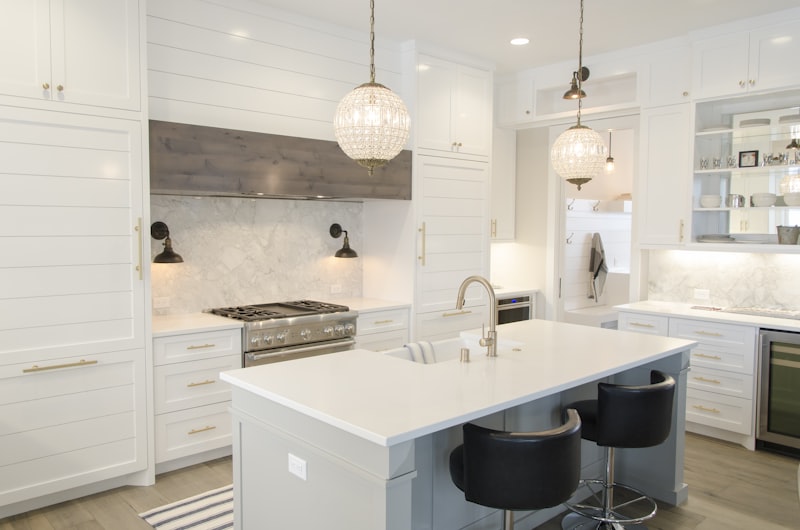
Regular maintenance preserves backsplash beauty and extends lifespan significantly
Style Evolution and Future Trends
Timeless vs. Trendy Choices
Classic materials like subway tile and natural stone maintain appeal across design trends, providing safe long-term investments. Trendy colors and patterns offer personality but may require updates sooner as styles evolve.
Consider your renovation timeline and budget flexibility when choosing between classic and contemporary styles. Neutral foundations with accent elements allow easier updates without complete replacement.
Sustainable Options
Recycled glass tiles, reclaimed materials, and locally sourced stone reduce environmental impact while often providing unique character. Some manufacturers offer take-back programs for old tiles, supporting circular economy principles.
Energy-efficient manufacturing processes and low-VOC installation materials contribute to healthier indoor environments while supporting sustainable building practices.
Final Design Integration
Lighting Interaction
Backsplash materials interact dramatically with both natural and artificial lighting throughout the day. Glossy surfaces reflect light and brighten spaces, while textured materials create interesting shadow play and depth.
Under-cabinet lighting enhances backsplash beauty while providing task illumination for food preparation. Choose lighting that complements rather than washes out your backsplash investment.
Cohesive Kitchen Design
The most successful backsplashes balance personal expression with overall kitchen harmony, creating focal points that enhance rather than overwhelm the space. Consider how your choice will age with changing tastes and lifestyle needs.
Your backsplash represents an opportunity to inject personality into your kitchen while providing essential protection and functionality. Whether you choose timeless classics or bold contemporary statements, focus on quality materials and professional installation for lasting satisfaction.
The perfect backsplash bridges practical needs with aesthetic goals, creating a kitchen environment that supports your cooking routines while reflecting your personal style. Take time to consider how different options align with your design vision, maintenance preferences, and long-term plans for this important kitchen element.