
Modern home design increasingly emphasizes open floor plans and seamless transitions between living spaces, making it essential to consider how kitchen cabinet and countertop selections relate to the broader home aesthetic. Rather than treating the kitchen as an isolated room, successful design creates visual harmony that connects culinary spaces with adjacent dining and living areas. Understanding how to achieve this flow while maintaining each space's distinct function requires careful consideration of materials, colors, and design styles that work cohesively throughout your home.
Understanding Design Flow in Open Living
Design flow represents the visual and stylistic continuity that guides the eye smoothly from one space to another. In homes with open floor plans, the kitchen often serves as the central hub, making cabinet and countertop choices particularly influential in establishing the overall design direction for connected spaces.
Successful flow doesn't require identical materials or colors throughout the home, but rather thoughtful coordination that creates intentional relationships between different areas. This might involve repeating key colors in different applications, selecting materials with complementary textures, or maintaining consistent design proportions across spaces.
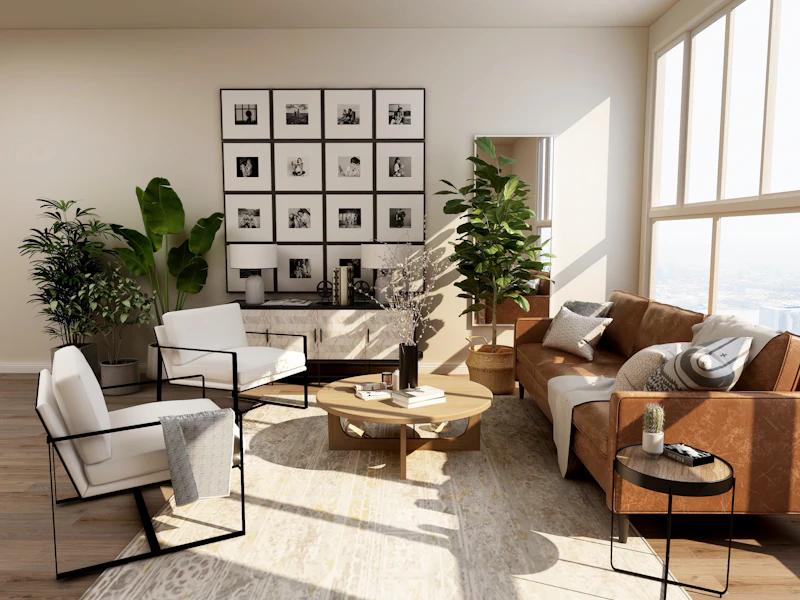
Strategic material choices create natural connections between kitchen and dining areas
Core Principles of Design Flow
Repetition: Echo materials, colors, or patterns in different spaces to create visual connections without exact duplication.
Proportion: Maintain consistent scale relationships in furniture, fixtures, and architectural elements across connected spaces.
Transition: Use intermediate elements like rugs, lighting, or architectural details to bridge different areas smoothly.
Balance: Distribute visual weight evenly throughout connected spaces to avoid any single area dominating the overall composition.
Working with Your Home's Architectural Style
Your home's underlying architectural character provides the foundation for making cabinet and countertop selections that enhance rather than fight against the existing structure. Understanding whether your home leans traditional, modern, or transitional helps narrow choices and creates authentic design harmony.
Traditional Homes
Classic proportions, detailed moldings, and established materials like natural wood and stone create timeless appeal. Cabinet styles with raised panels, crown molding, and furniture-like details complement formal living spaces.
Contemporary Homes
Clean lines, minimal ornamentation, and innovative materials emphasize function and simplicity. Flat-panel cabinets, sleek hardware, and engineered surfaces align with modern living spaces.
Transitional Homes
Blended elements from both traditional and contemporary styles offer flexibility in material selection. Simplified traditional details or softened modern elements work well in these adaptable spaces.
Respecting Existing Architecture
Ceiling heights, window proportions, and built-in features influence how cabinet styles will appear in your space. High ceilings accommodate tall upper cabinets and substantial crown molding, while lower ceilings benefit from simpler profiles that don't overwhelm the space.
Original architectural details like exposed beams, brick walls, or distinctive trim work should inform rather than be ignored by kitchen selections. These elements often suggest appropriate material palettes and style directions that honor the home's character.
Cabinet Styles That Transcend Room Boundaries
Kitchen cabinets set the tone for adjacent spaces, particularly in open floor plans where they remain visible from living and dining areas. Selecting cabinet styles that complement rather than clash with furniture and decor in connected spaces creates cohesive design flow.
Shaker Style Versatility
Shaker cabinet doors offer timeless simplicity that works across multiple design styles. The clean lines and minimal detailing complement both traditional and contemporary furnishings, making this style ideal for homes with mixed design elements or evolving decorating preferences.
Shaker cabinets can be customized through paint color, hardware selection, and proportional adjustments to lean more traditional or contemporary based on the surrounding decor. This adaptability makes them excellent choices for creating flow between different room styles.

Shaker style cabinets provide versatile foundation for varied design approaches
Flat Panel Contemporary Appeal
Flat panel cabinets create sleek, uninterrupted surfaces that emphasize horizontal lines and minimize visual complexity. This style works particularly well in homes with contemporary furniture and streamlined architectural details.
The simplicity of flat panel design allows countertop materials and backsplashes to take center stage while providing a neutral backdrop that doesn't compete with living room focal points like artwork or statement furniture.
Raised Panel Traditional Elegance
Traditional raised panel cabinets offer depth and shadow lines that complement formal dining rooms and living spaces furnished with classic pieces. The dimensional quality adds visual interest while maintaining sophisticated restraint.
However, raised panel cabinets require careful consideration in open floor plans, as their traditional formality may clash with casual living spaces. Consider using raised panels selectively, perhaps only on kitchen island cabinets, while keeping perimeter cabinets simpler.
Countertop Materials That Connect Spaces
Countertop selection significantly impacts the visual flow between kitchen and adjacent areas, as these large horizontal surfaces often represent the most prominent material element visible from multiple rooms. Choosing materials that complement flooring, furniture finishes, and architectural elements creates natural design harmony.
Countertop Materials for Design Flow
Marble, granite, and quartzite offer unique patterns and colors that can echo stone elements elsewhere in the home. Natural variations create organic flow while providing luxury appeal that elevates connected spaces.
Consistent patterns and colors make it easier to coordinate with existing elements. Wide selection allows matching or complementing specific furniture pieces or architectural features throughout the home.
Wood countertops can directly reference dining room tables, living room furniture, or architectural woodwork. Warm tones create inviting connections between cooking and gathering spaces.
Industrial appeal works well in loft-style homes or contemporary spaces with concrete floors or exposed structural elements. Custom tinting allows coordination with specific color schemes.
Considering Visual Weight
Countertop materials carry different visual weights that affect the balance between kitchen and living spaces. Heavy, dark materials like black granite create substantial presence that may overwhelm lighter, more casual living areas, while pale materials maintain airy feel that connects well with bright, open spaces.
The scale of countertop patterns also influences flow. Large, dramatic veining in natural stone can serve as a focal point that anchors the kitchen while complementing artwork or statement pieces in adjacent rooms. Conversely, subtle patterns provide neutral backgrounds that allow furniture and accessories to take precedence.
Color Coordination Strategies
Color Flow Principles
Cabinet Color Impact
Cabinet color significantly influences the overall mood and flow of connected spaces. White and light neutral cabinets create bright, airy feel that works well with casual living areas and helps small spaces feel larger. These colors serve as excellent backdrops for colorful accessories and artwork in adjacent rooms.
Dark cabinet colors create dramatic sophistication that complements formal dining and living spaces but may feel heavy in casual or small areas. Medium-toned cabinet colors like gray, navy, or natural wood offer versatility that can bridge formal and casual elements throughout the home.

Coordinated color choices create visual connections across open floor plans
Texture and Material Mixing
Successful design flow often involves mixing different materials and textures while maintaining visual harmony. The key lies in finding common elements that tie diverse materials together, such as similar color temperatures, complementary textures, or shared stylistic origins.
Balancing Smooth and Textured Surfaces
Kitchen cabinets and countertops often feature smooth, sleek surfaces for easy maintenance. Balancing these with textured elements in adjacent spaces prevents the overall design from feeling sterile. Natural wood furniture, textured wall treatments, or woven fabrics in living areas add warmth and visual interest.
Conversely, if living areas feature predominantly smooth, contemporary furnishings, adding texture through kitchen backsplashes, cabinet hardware, or countertop materials creates interest while maintaining design cohesion.
Material Transition Techniques
Repeat kitchen countertop materials in living areas through coffee table tops, side tables, or fireplace surrounds to create obvious visual connections.
Pair smooth kitchen surfaces with complementary textures in adjacent spaces - smooth quartz counters with rough-hewn wood furniture, for example.
Use materials in similar color families but different applications - warm wood cabinet tones echoed in living room furniture or flooring.
Gradually shift material emphasis from kitchen practicality to living room comfort through intermediate spaces like dining areas.
Hardware and Fixture Coordination
Cabinet hardware, lighting fixtures, and plumbing finishes provide opportunities to create subtle connections between kitchen and living spaces. Consistent metal finishes or design styles in hardware selections reinforce visual flow without requiring major material investments.
Metal Finish Consistency
Coordinating metal finishes across spaces creates polished, intentional design. If kitchen cabinet hardware features brushed brass, echoing this finish in living room lighting fixtures, dining room chandeliers, or decorative accessories reinforces the design connection.
However, avoid being overly literal with metal coordination. Mixing different metals can add visual interest as long as they share similar warmth or coolness and are distributed thoughtfully throughout connected spaces.
Plan Your Coordinated Design
Calculate costs for cabinet and countertop selections:
Lighting as a Unifying Element
Lighting design provides powerful opportunities to create flow between kitchen and adjacent spaces. Consistent lighting styles, similar fixture finishes, or coordinated light temperatures help unify different areas while supporting their individual functions.
Layered Lighting Strategies
Kitchen task lighting requirements differ from living room ambient needs, but the overall lighting approach can maintain consistency. Using similar fixture styles in different scales or applications creates connection while addressing specific functional requirements.
Under-cabinet LED strips that extend into adjacent spaces, pendant lights that echo chandelier styles, or recessed lighting with consistent beam angles help create seamless transitions between areas with different lighting needs.

Consistent lighting styles create visual connections across open spaces
Flooring Transitions and Continuity
While this article focuses on cabinets and countertops, flooring decisions significantly impact how these elements relate to adjacent spaces. Understanding flooring flow helps inform cabinet and countertop selections that work harmoniously with floor materials and transitions.
Material Transitions
Changes in flooring materials between kitchen and living areas can either emphasize separation or create smooth transitions depending on how they're handled. Cabinet toe kicks and countertop overhangs can help bridge different flooring materials visually.
When flooring changes are necessary for functional reasons, selecting cabinet and countertop colors that complement both floor materials helps maintain design flow across the transition.
Room-Specific Considerations
Creating Connections with Adjacent Spaces
Echo dining table finishes in kitchen island materials or coordinate cabinet colors with dining room built-ins or furniture pieces.
Consider sight lines from seating areas and coordinate cabinet colors with prominent living room elements like fireplace surrounds or entertainment centers.
More casual family spaces allow for relaxed coordination through color families rather than exact matches, creating comfortable transitions.
Large windows or doors to patios influence material selections, with natural materials often creating better connections to outdoor elements.
Budget-Conscious Flow Strategies
Creating design flow doesn't require expensive materials or complete room makeovers. Strategic choices in cabinet paint colors, hardware updates, and selective countertop replacements can significantly improve visual connections between spaces within modest budgets.
High-Impact, Low-Cost Updates
Painting existing cabinets in colors that coordinate with adjacent spaces represents one of the most cost-effective ways to improve design flow. Similarly, updating cabinet hardware to match living room fixtures creates instant visual connection.
Adding elements that reference kitchen materials in adjacent spaces - perhaps a side table with similar wood tone to cabinet finish or throw pillows that echo countertop colors - reinforces design connections affordably.
Pro Tip: Start with Accessories
Before committing to major cabinet or countertop changes, experiment with accessories and smaller elements that create connections between spaces. This approach allows you to test color and material relationships before making significant investments.
Common Design Flow Mistakes
Pitfalls to Avoid
- Over-matching: Using identical materials everywhere creates monotony rather than thoughtful flow
- Ignoring scale: Selecting materials or patterns that work well in kitchens but overwhelm living spaces
- Fighting architecture: Choosing styles that clash with the home's existing character
- Neglecting sight lines: Failing to consider how kitchen elements appear from seating areas in adjacent rooms
- Color temperature clashes: Mixing warm and cool undertones without intentional contrast strategy
- Proportion problems: Using elements that are too large or small for the connected spaces
Seasonal and Lighting Considerations
Cabinet and countertop selections must work in various lighting conditions throughout the day and across seasons. Natural light changes dramatically affect how materials appear from adjacent spaces, particularly in open floor plans with large windows.
Natural Light Impact
North-facing kitchens receive consistent, cool light that may make warm cabinet colors appear muted when viewed from south-facing living areas. Understanding your home's light patterns helps predict how material choices will appear in different conditions and from various viewing angles.
Seasonal light changes also affect material appearance. Winter's lower light angles and summer's intense brightness can dramatically alter how cabinet colors and countertop patterns appear from adjacent spaces.
Technology Integration and Future Flexibility
Modern kitchen design increasingly incorporates technology that affects visual flow with adjacent spaces. Hidden appliances, integrated charging stations, and smart home features should be considered in relation to how they impact sight lines and design continuity.
Concealing Technology Thoughtfully
Appliance panels that match cabinet finishes help maintain clean sight lines to living areas, while open shelving for technology storage should coordinate with display strategies in adjacent spaces. The goal is integrating necessary technology without disrupting the visual flow you've worked to create.
Working with Existing Elements
Most homeowners must work with some existing elements when updating kitchens, whether it's flooring that extends into other rooms, architectural features, or furniture pieces that can't be replaced. Successful flow often means making new selections that honor and enhance these fixed elements.
Gradual Updates Strategy
When budget or timing constraints prevent complete renovations, plan updates that gradually improve flow over time. Starting with cabinet painting or hardware updates allows you to test color and style relationships before committing to more expensive countertop or appliance changes.
Document your progress with photos to evaluate how each change affects the overall flow between spaces. This approach allows you to adjust course if early updates don't achieve the desired visual connections.
Professional Design Help
Complex flow challenges, particularly in homes with multiple adjacent spaces or challenging architectural features, may benefit from professional design consultation. Interior designers can provide objective perspective on material relationships and help avoid costly mistakes.
When to Seek Professional Input
Consider professional help when dealing with expensive material selections, complex open floor plans, or when previous DIY attempts haven't achieved desired results. Many designers offer consultation services that provide expert guidance without full-service design fees.
Professional input can be particularly valuable for understanding how different materials age and interact over time, ensuring your flow strategy remains successful for years to come.
Maintenance and Longevity
Design flow strategies should consider long-term maintenance and material aging. Some materials develop character over time that enhances their connection to adjacent spaces, while others may require consistent maintenance to preserve their appearance and flow relationships.
Planning for Material Evolution
Natural materials like wood and stone often improve with age, developing patina that can enhance their relationship with furniture and architectural elements in adjacent spaces. Engineered materials typically maintain consistent appearance but may show wear differently than natural materials.
Consider how maintenance requirements in the kitchen might affect flow with adjacent spaces. High-maintenance materials that require frequent refinishing or special care may disrupt the visual continuity you've worked to create.
Creating seamless flow between kitchen and living spaces requires thoughtful consideration of how cabinet and countertop selections relate to the broader home environment. Success lies in understanding your home's architectural character, establishing clear design principles, and making selections that enhance rather than fight against existing elements.
Remember that perfect flow doesn't require identical materials throughout your home, but rather thoughtful coordination that creates intentional relationships between different areas. Focus on elements that will provide long-term satisfaction while supporting the way you actually live in and use your spaces.
The most successful kitchen updates enhance both the functional and aesthetic aspects of daily life while contributing to an overall sense of home that feels cohesive, comfortable, and uniquely yours.