
Kitchen renovation represents one of the most significant home improvement investments, with the potential to transform daily routines, enhance home value, and create a central gathering space for family and friends. Success depends on understanding which components deliver the greatest impact, how to balance aesthetic desires with functional needs, and where to allocate budget for maximum return on investment. This comprehensive guide breaks down the essential elements that separate dream kitchens from disappointing renovations.
Foundation Elements: The Non-Negotiables
Every successful kitchen renovation begins with addressing fundamental infrastructure that affects both functionality and safety. These foundation elements may not provide the visual excitement of new countertops or appliances, but they determine whether your renovation delivers long-term satisfaction or costly problems.
Electrical System Upgrade
Modern kitchens require significantly more electrical capacity than older homes provide. Plan for dedicated circuits for major appliances, adequate outlet placement for small appliances, and under-cabinet lighting systems that enhance both function and ambiance.
Plumbing Infrastructure
Water supply lines, drainage systems, and gas connections form the backbone of kitchen functionality. Address any outdated or problematic plumbing during renovation when walls are open and access is available.
Structural Considerations
Load-bearing walls, floor reinforcement for heavy appliances, and proper ventilation systems require professional assessment and potential modification to support your renovation goals safely.

Foundation work may not be glamorous, but it's essential for long-term success
The Work Triangle: Optimizing Kitchen Flow
Understanding the Kitchen Work Triangle
The work triangle concept connects the three primary work areas: refrigerator, sink, and cooking surface. An efficient triangle minimizes unnecessary steps while preparing meals, with each leg measuring between 4-9 feet and totaling 12-26 feet for optimal functionality.
Modern kitchen design has evolved beyond the traditional triangle to accommodate multiple cooks, large islands, and specialized appliances. However, the underlying principle of creating efficient workflow between primary functions remains crucial for daily usability.
Designing for Multiple Users
Contemporary kitchens often serve multiple people simultaneously, requiring zones that allow independent work without interference. Consider separate prep areas, multiple sinks, or strategically placed islands that create natural work zones.
Cabinetry: The Foundation of Kitchen Storage
Kitchen cabinets represent the largest single expense in most renovations and have the greatest impact on both functionality and aesthetics. Quality cabinetry decisions made during renovation will affect daily use for decades, making this investment worthy of careful consideration.
Cabinet Construction Quality
Cabinet quality varies dramatically across price ranges, with construction methods, materials, and hardware significantly affecting durability and functionality. Solid wood construction, dovetail joints, and soft-close hardware represent investments that enhance long-term satisfaction.
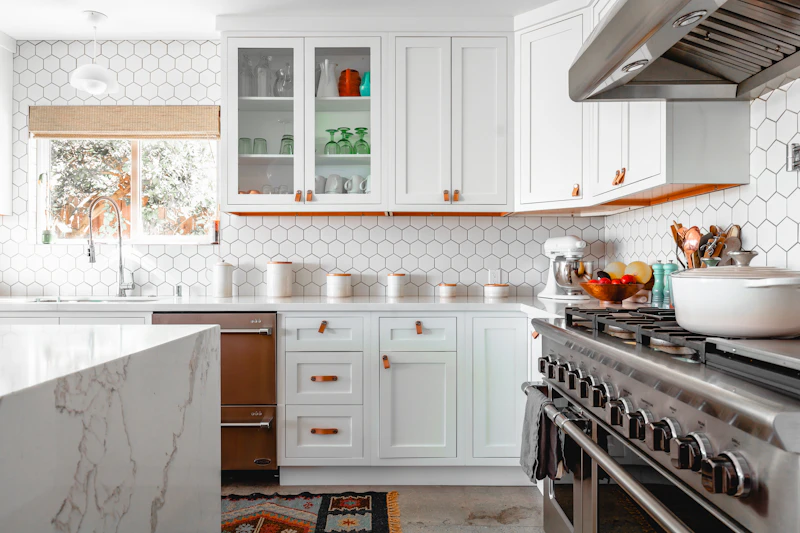
Quality cabinetry provides both beauty and decades of reliable function
Storage Optimization
Modern cabinet systems offer sophisticated storage solutions that maximize accessibility and organization. Pull-out drawers, lazy Susans, divider systems, and specialized organizers transform cabinet interiors into highly functional storage systems.
Deep Drawer Base Cabinets
Replace traditional doors with deep drawers for easier access to pots, pans, and small appliances. Full-extension slides ensure you can reach items in the back corners.
Pantry Organization Systems
Whether walk-in or cabinet-style, organized pantry systems with adjustable shelving and pull-out components keep food items visible and accessible.
Specialty Storage Solutions
Spice pull-outs, trash can cabinets, appliance garages, and charging stations address specific storage needs that enhance daily kitchen use.
Countertops: Beauty Meets Function
Countertop selection affects both the visual impact and practical functionality of your kitchen. Different materials offer varying benefits in terms of durability, maintenance, appearance, and cost, requiring careful evaluation of your cooking habits and aesthetic preferences.
Material Comparison
Quartz engineered stone provides consistent patterns and low maintenance, while natural stone offers unique beauty with higher maintenance requirements. Butcher block creates warmth but needs regular care, and concrete allows custom designs with artisanal appeal.
Consider not just initial cost but long-term maintenance, repair potential, and how the material ages over time. Some materials develop character through use, while others require consistent care to maintain their appearance.
Pro Tip: Mixed Materials
Many successful kitchens combine different countertop materials to optimize function and budget. Use premium materials in highly visible areas while selecting more economical options for secondary surfaces like pantries or secondary sinks.

Quality countertops provide both workspace and visual appeal
Appliance Selection: The Heart of Kitchen Function
Appliance choices significantly impact both daily cooking experience and long-term satisfaction. Professional-style ranges, quiet dishwashers, and energy-efficient refrigerators enhance functionality while contributing to the kitchen's overall design aesthetic.
Essential Appliance Considerations
Refrigeration
Size appropriately for household needs, consider counter-depth models for integrated appearance, and evaluate features like ice makers, water dispensers, and specialized storage zones.
Cooking Appliances
Gas vs. electric, range vs. cooktop with separate wall oven, and professional-style features affect cooking capability and kitchen design flexibility.
Dishwashers
Noise levels, cleaning performance, and reliability vary significantly. Consider panel-ready models that integrate seamlessly with cabinetry for cohesive appearance.
Ventilation
Proper ventilation removes cooking odors, moisture, and grease. Range hoods should move appropriate air volume for your cooking style and kitchen size.
Energy Efficiency and Smart Features
Energy Star certified appliances reduce utility costs while smart connectivity features offer convenience and monitoring capabilities. However, prioritize fundamental performance and reliability over gadget features that may become obsolete.
Plan Your Kitchen Renovation Budget
Calculate costs and financing options for your project:
Lighting: Layers of Illumination
Kitchen lighting serves multiple functions including task illumination for food preparation, ambient lighting for general use, and accent lighting that highlights design features. Successful kitchen lighting combines multiple sources to create flexible, functional illumination throughout the day.
Essential Lighting Types
Under-cabinet LED strips provide shadow-free task lighting for food preparation, while pendant lights over islands offer both task and decorative illumination. Recessed ceiling lights supply general ambient lighting, and dimmer controls allow adjustment for different activities and times of day.
Natural light from windows and skylights enhances the kitchen's appeal during daytime hours while reducing energy consumption. Consider window placement and size during renovation planning to maximize beneficial natural illumination.

Layered lighting creates both functionality and ambiance
Flooring: Durability Meets Style
Kitchen flooring must withstand heavy traffic, spills, dropped items, and frequent cleaning while contributing to the overall design aesthetic. Material selection affects both immediate comfort and long-term maintenance requirements.
Flooring Material Options
Tile offers durability and water resistance with extensive design options, while luxury vinyl provides comfort and easy maintenance. Hardwood creates warmth but requires careful moisture management, and concrete allows custom finishes with industrial appeal.
Consider the connection between kitchen flooring and adjacent spaces. Consistent or complementary flooring materials create visual flow throughout open floor plans, while transition strips can accommodate different materials between defined spaces.
Backsplashes: Protection and Personality
Kitchen backsplashes protect walls from cooking splashes while providing opportunities for color, texture, and personality. Material and design choices can complement or contrast with countertops and cabinetry to create visual interest.
Material and Design Considerations
Subway tile offers timeless appeal with numerous layout variations, while natural stone provides texture and uniqueness. Glass tile reflects light and offers easy cleaning, and metal tiles create modern industrial aesthetics.
Backsplash height and coverage area affect both protection and visual impact. Full-height backsplashes create dramatic statements, while standard 4-inch heights focus attention on countertops and cabinetry.
Budget Allocation: Maximizing Your Investment
Typical Kitchen Renovation Budget Allocation
Value Engineering Strategies
Maximize renovation impact by investing in elements that provide both immediate satisfaction and long-term value. Quality cabinetry and durable appliances justify higher initial costs through years of reliable service, while trendy finishes can be achieved more economically through accessories and paint colors.
Budget Reality Check
Kitchen renovations consistently exceed initial budgets due to unexpected issues, scope changes, and upgrade temptations. Plan for 15-20% contingency beyond your initial budget to handle surprises without compromising project completion.
Planning and Timeline Considerations
Typical Kitchen Renovation Timeline
Design development, material selection, permit applications, and contractor selection require substantial time for quality results.
Removing existing components and updating electrical, plumbing, and structural elements as needed.
Cabinet installation, countertop fabrication and installation, appliance delivery, and finish work.
Hardware installation, touch-up work, final inspections, and project completion.
Temporary Kitchen Planning
Extended renovation timelines require planning for temporary cooking and dining arrangements. Simple setups with microwave, hot plate, and mini-refrigerator can maintain basic meal preparation capability during construction.
Professional Services: When to Hire Experts
Kitchen renovation complexity often exceeds typical DIY capabilities, particularly for electrical, plumbing, and structural modifications. Professional contractors bring experience, proper tools, and insurance protection that justify their costs for major renovation projects.
Designer vs. Contractor Roles
Kitchen designers focus on space planning, material selection, and aesthetic coordination, while contractors handle construction execution and project management. Some professionals offer both services, while others specialize in specific aspects of renovation projects.

Professional guidance helps navigate complex decisions and avoid costly mistakes
Permits and Code Compliance
Kitchen renovations often require building permits for electrical, plumbing, and structural modifications. Understanding local code requirements and permit processes prevents delays and ensures safe, legal installations.
Common Code Requirements
GFCI outlets near water sources, adequate ventilation capacity, proper electrical circuit loading, and accessibility compliance affect renovation planning and execution. Professional contractors typically handle permit applications and inspection scheduling.
Sustainability and Health Considerations
Modern kitchen renovations increasingly prioritize environmental sustainability and indoor air quality. Low-VOC finishes, energy-efficient appliances, and sustainable materials contribute to healthier homes while reducing environmental impact.
Green Building Options
Recycled content countertops, formaldehyde-free cabinetry, LED lighting, and water-efficient fixtures support sustainability goals while often providing superior performance compared to conventional alternatives.
Future-Proofing Your Investment
Successful kitchen renovations anticipate future needs and technology changes while maintaining timeless design appeal. Universal design principles, adaptable storage systems, and quality construction ensure your investment remains functional and attractive for decades.
Technology Integration
Plan infrastructure for current and future technology needs including charging stations, smart home integration, and high-speed internet connectivity. However, avoid over-investing in specific technologies that may become obsolete quickly.
Pre-Renovation Planning Checklist
Common Renovation Mistakes to Avoid
Learning from common renovation pitfalls helps ensure your project delivers expected results within budget and timeline. Poor planning, inadequate budgeting, and unrealistic expectations contribute to renovation disappointment more than material or design choices.
Budget and Planning Pitfalls
Underestimating costs, changing scope mid-project, and failing to plan for temporary arrangements create stress and budget overruns. Thorough upfront planning prevents most common renovation problems.
Kitchen renovation success depends on balancing aesthetic desires with practical needs while maintaining realistic expectations about budget, timeline, and disruption. Focus on elements that enhance daily life while creating beautiful, functional spaces that serve your household for years to come.
Remember that renovation is an investment in your home's value and your family's daily quality of life. Take time to plan thoroughly, choose quality materials and professionals, and prepare for the renovation process to ensure your dream kitchen becomes reality.