
Kitchen cabinet painting represents one of the most dramatic transformations you can achieve in home renovation. With the right techniques, tools, and patience, you can transform dated, dark cabinets into a bright, modern focal point that completely changes your kitchen's atmosphere. This comprehensive guide walks you through every step of the professional cabinet painting process, from initial assessment to final protective coating.
Assessment: Is Your Kitchen Ready for Cabinet Painting?
Not all cabinets are ideal candidates for painting. Before investing time and materials, evaluate your cabinets' condition and construction. Solid wood and wood veneer cabinets paint beautifully, while laminate cabinets require special preparation but can still achieve excellent results with proper technique.
Cabinet Conditions That Paint Well
- Solid wood construction with minor scratches or dents
- Wood veneer in good condition without peeling edges
- Structurally sound cabinet boxes and doors
- Hardware mounting points that are secure
- Minimal water damage or warping
Red Flags for Cabinet Painting
- Severely damaged or warped door frames
- Extensive water damage with soft spots
- Loose joints that need structural repair
- Thermofoil or vinyl wrap that's peeling extensively
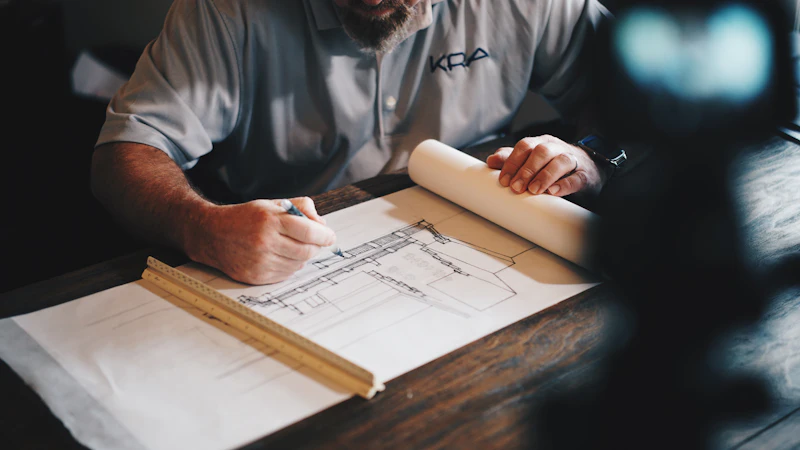
Thorough assessment ensures your cabinets are suitable for painting
Essential Tools and Materials
Complete Supply List
- High-quality primer (bonding primer for laminate)
- Premium cabinet paint (alkyd or hybrid enamel)
- 2.5" angled brush (synthetic bristles)
- 4" foam roller and covers
- 220-grit sandpaper
- 120-grit sandpaper (for repairs)
- Tack cloth or microfiber rags
- Screwdriver set
- Drill with bits
- Wood filler
- Degreasing cleaner
- Drop cloths
- Painter's tape
- Plastic bags for hardware
- Permanent marker
- Paint tray and liners
- Dust mask
- Safety glasses
Pro Tip: Paint Selection
Choose high-quality cabinet paint specifically formulated for durability. Alkyd (oil-based) paints provide the smoothest finish and excellent durability, while hybrid enamels offer easier cleanup with comparable performance. Avoid standard wall paint, which won't withstand daily kitchen use.
Project Timeline: Plan for Success
Realistic Project Schedule
Step-by-Step Cabinet Painting Process
Preparation and Removal
Begin by photographing your kitchen from multiple angles to reference during reassembly. Remove all items from cabinets and clear the work area completely.
Remove cabinet doors and drawer fronts systematically. Number each door and its corresponding hinge location with painter's tape to ensure proper reinstallation. Place all hardware in labeled plastic bags organized by cabinet section.
Remove drawers by lifting them straight up from their slides, or remove the drawer slides entirely if they need painting. Keep track of which slides belong to which drawer location.
Deep Cleaning
Kitchen cabinets accumulate grease, cooking residue, and grime that can prevent paint adhesion. Use a degreasing cleaner specifically designed for kitchen surfaces, paying special attention to areas around the stove and frequently touched surfaces.
Clean inside and outside of all cabinet boxes, doors, and drawer fronts. Allow surfaces to dry completely before proceeding. Any remaining residue will cause paint adhesion problems later.
For heavily soiled cabinets, you may need to clean twice with degreasing solution, followed by a rinse with clean water and thorough drying.
Safety Warning
Always work in a well-ventilated area when using degreasers and paints. Wear appropriate protective equipment including dust masks when sanding and safety glasses when using cleaners. Some cabinet finishes may contain lead paint if installed before 1978 - test and follow EPA guidelines if lead is detected.
Surface Preparation and Sanding
Proper surface preparation determines the quality and longevity of your paint finish. Start by filling any holes, dents, or scratches with high-quality wood filler. Allow filler to cure completely according to manufacturer instructions.
Sand all surfaces with 220-grit sandpaper to create tooth for primer adhesion. You don't need to sand down to bare wood unless removing an existing finish, but you must scuff all surfaces uniformly.
Pay special attention to raised panel details, inside corners, and carved elements. Use sanding blocks on flat surfaces to maintain even scratch patterns, and hand-sand detailed areas carefully.
After sanding, remove all dust with tack cloth or slightly damp microfiber cloths. Any remaining dust particles will show through your final finish.
Priming for Success
Prime all surfaces with high-quality bonding primer appropriate for your cabinet material. For laminate cabinets, use specialized bonding primer. For wood cabinets, high-quality alkyd primer provides excellent adhesion and stain blocking.
Apply primer with a high-quality angled brush for detailed areas and a foam roller for large flat surfaces. Work in the direction of the wood grain when brushing, and maintain a wet edge to avoid lap marks.
Allow primer to cure completely according to manufacturer specifications before proceeding. Proper cure time is crucial for paint adhesion and durability.
Pro Tip: Brush Technique
Load your brush properly - dip about one-third of the bristles into primer or paint, tap gently against the container edge, and apply in smooth, even strokes. Finish each section with light brush strokes in the direction of the wood grain to minimize brush marks.
First Paint Coat Application
After primer has cured completely, lightly sand with 220-grit sandpaper to smooth any raised grain or imperfections. Remove all sanding dust before painting.
Apply the first coat of paint using the same brush and roller technique used for priming. Work systematically, completing entire doors or cabinet sections before moving to the next area.
For raised panel doors, paint in this order: inside panel areas first, then rails (horizontal pieces), then stiles (vertical pieces). This sequence helps maintain wet edges and minimize visible brush marks.
Don't attempt to achieve full coverage with the first coat. Focus on even application and proper technique rather than thickness.

Proper brush technique ensures smooth, professional-looking results
Sanding Between Coats
Once the first coat has cured according to manufacturer specifications, lightly sand all surfaces with 220-grit sandpaper. This step removes any raised grain, brush marks, or surface imperfections.
Sand just enough to smooth the surface - you should see fine white dust but shouldn't sand through to the primer. Focus on maintaining smooth surfaces rather than aggressive material removal.
Clean all surfaces thoroughly with tack cloth to remove sanding dust before applying the final coat.
Final Coat Application
Apply the final coat with the same systematic approach used for the first coat. Since this is your finish coat, pay extra attention to brush technique and maintaining wet edges.
Work in good lighting to spot any missed areas or imperfections while you can still correct them. The final coat should provide complete, even coverage with minimal brush marks.
Allow the final coat to cure completely before handling. High-quality cabinet paints may require 24-48 hours to reach full hardness, even if they feel dry to the touch earlier.
Calculate Your Cabinet Painting Project
Estimate paint quantities and project costs:
Advanced Techniques for Professional Results
Achieving a Smooth Factory-Like Finish
Professional cabinet shops often use spray equipment to achieve perfectly smooth finishes. While most DIYers use brushes and rollers, you can achieve near-professional results with proper technique and high-quality tools.
Consider using a high-quality synthetic brush specifically designed for alkyd paints, and finish each surface with light "tipping off" strokes in the direction of the wood grain to minimize brush marks.

High-quality tools and technique produce factory-smooth finishes
Working with Different Cabinet Styles
Raised panel cabinets require more attention to detail than flat panel styles. Work paint into all the crevices and detail areas, but avoid allowing paint to pool in corners where it can create drips or sags.
For flat panel or slab doors, use a foam roller for the main surface areas to achieve ultra-smooth results, followed by light brush work to eliminate any roller texture.
Hardware Considerations
To Replace or Refinish
Cabinet hardware refresh can dramatically enhance your painted cabinet transformation. Consider whether your existing hardware complements your new paint color and overall kitchen style.
If keeping existing hardware, clean it thoroughly with appropriate cleaners for the metal type. Brass and bronze hardware can be polished to restore original luster, while painted hardware can be stripped and refinished.
When selecting new hardware, consider the cabinet door weight and existing mounting hole spacing. Heavy solid wood doors may require more substantial hinges than what was originally installed.

Hardware selection can make or break your cabinet transformation
Troubleshooting Common Issues
Paint Adhesion Problems
If paint chips or peels shortly after application, inadequate surface preparation is usually the culprit. Proper cleaning, sanding, and priming are essential for long-lasting results. Don't attempt shortcuts in the preparation phase.
Brush Marks and Texture Issues
Visible brush marks typically result from using low-quality brushes, working too quickly, or applying paint too thickly. Use high-quality synthetic brushes designed for your paint type, and focus on smooth, even application rather than speed.
Color Coverage Problems
Uneven color coverage often indicates insufficient primer coverage or attempting to cover dark colors with light paint in too few coats. Always use high-quality primer, and plan for multiple paint coats when making dramatic color changes.
Pro Tip: Patience Pays Off
The most common mistake in cabinet painting is rushing the process. Allow adequate drying and curing time between coats, even if it extends your project timeline. Proper cure time ensures durability and prevents problems like paint sticking when doors are closed.
Final Installation and Finishing Touches
Reinstalling Doors and Hardware
Once paint has cured completely, reinstall hinges and hardware carefully to avoid scratching your new finish. Use your reference photos and numbering system to ensure doors return to their original locations.
Adjust hinges as needed to ensure proper door alignment and smooth operation. New paint thickness may require minor adjustments to achieve perfect gaps and alignment.
Drawer Slide Reinstallation
Reinstall drawer slides in their original positions, ensuring smooth operation. Test each drawer thoroughly before declaring the project complete. Adjust slides as necessary for smooth, quiet operation.

The finished result: a completely transformed kitchen
Maintenance and Long-Term Care
Protecting Your Investment
Properly painted kitchen cabinets can last 10-15 years with appropriate care. Clean regularly with mild dish soap and water, avoiding harsh chemicals that can damage the paint finish.
Address minor chips or scratches promptly to prevent moisture penetration and further damage. Keep leftover paint for touch-ups, stored properly according to manufacturer recommendations.
When to Consider Professional Help
While cabinet painting is achievable for dedicated DIYers, consider professional help if you have extensive water damage, lead paint concerns, or if the project scope exceeds your available time and skill level.
Professional cabinet painters have specialized equipment and experience that can achieve superior results, especially for high-end kitchens or when spray finishes are desired.
Cost Considerations and Value
Professional cabinet painting typically costs 30-50% less than cabinet replacement while providing similar visual impact. DIY cabinet painting can save even more, though it requires significant time investment and attention to detail.
Factor in the cost of high-quality materials when budgeting. Cheap paint and primers will compromise results and longevity, making the investment in premium products worthwhile for this high-use application.
Final Pro Tip: Document Your Process
Take photos throughout your project to document techniques that work well and areas for improvement. This documentation helps with future touch-ups and provides valuable reference if you tackle similar projects later.
Kitchen cabinet painting represents one of the most rewarding home improvement projects when done properly. The transformation from dated, dark cabinets to fresh, modern surfaces can completely change your kitchen's atmosphere while providing excellent return on investment.
Success depends on thorough preparation, quality materials, and patience with the process. While the project requires significant time investment, the skills you develop and the satisfaction of achieving professional-quality results make it worthwhile for dedicated DIYers.
Remember that cabinet painting is a marathon, not a sprint. Take time between coats, don't rush the preparation phase, and focus on technique over speed. The extra attention to detail will be evident in your final results and the longevity of your beautiful new kitchen.