
Wallpaper has reclaimed its position as a sophisticated design element, far removed from the busy florals and outdated patterns of previous decades. Today's wallpaper offerings showcase artistic designs, innovative materials, and patterns that can instantly elevate any room from ordinary to extraordinary. Understanding how to navigate the vast array of choices and select the perfect pattern for your space requires both design knowledge and practical consideration of your room's unique characteristics.
The Modern Wallpaper Renaissance
Contemporary wallpaper design has evolved dramatically, embracing minimalist aesthetics, bold artistic statements, and everything in between. Modern printing techniques allow for unprecedented detail and color accuracy, while new materials offer improved durability and easier installation than traditional papers.
The shift toward wallpaper as an accent element rather than full-room coverage has made it more accessible and less overwhelming for homeowners. Strategic use of wallpaper on feature walls, in alcoves, or behind furniture creates visual impact without the commitment of papering entire rooms.
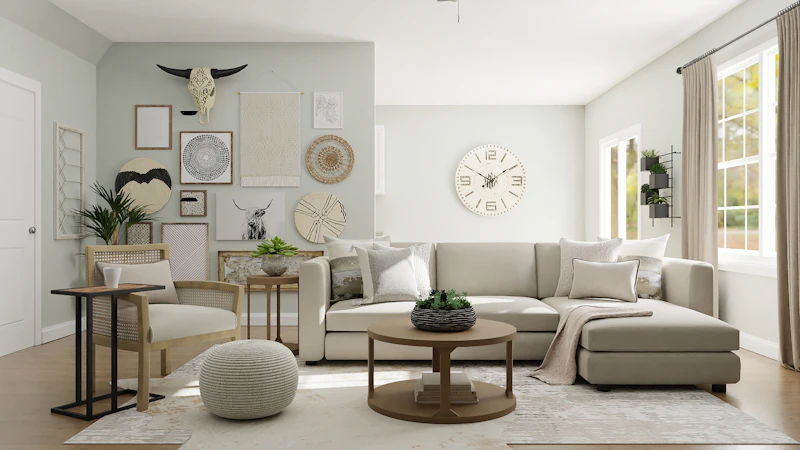
Textured wallpapers add sophisticated depth to bedroom feature walls
Current Wallpaper Style Trends
Botanical and Nature-Inspired
Modern botanical wallpapers feature stylized plants, oversized leaves, and artistic interpretations of natural forms. These designs bring organic beauty indoors while maintaining contemporary sophistication.
Geometric and Abstract
Clean geometric patterns, abstract shapes, and mathematical designs create striking visual interest. These patterns work particularly well in modern and transitional interiors.
Textural and Grasscloth
Natural fiber wallpapers and textural designs add depth and tactile interest. These options provide subtle pattern through texture rather than bold graphics.
Maximalist and Statement
Bold, dramatic patterns that make rooms unforgettable. These designs require careful balance but create stunning focal points when used strategically.
Vintage Revival
Updated versions of classic patterns including toile, damask, and chinoiserie. Modern color palettes refresh these traditional designs for contemporary homes.
Metallic and Glamorous
Subtle metallic accents, foil details, and lustrous finishes add luxury and light reflection. These papers create elegance without overwhelming spaces.
Understanding Pattern Types and Their Impact
How Different Patterns Affect Space Perception
The pattern you choose dramatically influences how a room feels and functions. Understanding these effects helps you select wallpaper that enhances rather than detracts from your space's best features.
Vertical Patterns
Stripes, vertical botanicals, and upward-flowing designs draw the eye upward, making ceilings appear higher. These patterns work exceptionally well in rooms with standard 8-9 foot ceilings or narrow spaces that need height emphasis.
Horizontal Patterns
Horizontal stripes, wide geometric bands, and side-flowing designs make rooms appear wider but can reduce perceived ceiling height. Use these patterns in tall, narrow rooms or to create cozy, intimate atmospheres.
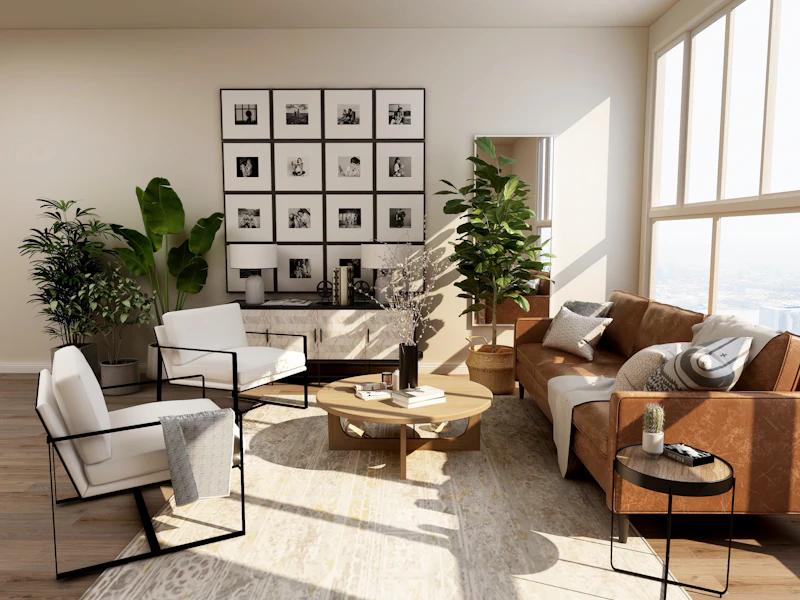
Horizontal patterns can make narrow dining rooms feel more spacious
Large-Scale Patterns
Oversized florals, big geometrics, and bold motifs create dramatic impact but can overwhelm small spaces. These patterns work best in larger rooms or as accent walls where they can be appreciated without dominating.
Small-Scale Patterns
Tiny prints, delicate motifs, and fine details read as texture from a distance while providing interest up close. These patterns work well in smaller spaces and can serve as neutral backdrops for furniture and art.
Choosing Wallpaper for Different Room Types
Room-by-Room Wallpaper Selection Guide
Choose patterns that complement your lifestyle and furniture. Subtle textures or geometric patterns work well behind sofas, while bold botanicals can create stunning feature walls opposite seating areas.
Opt for calming patterns and colors that promote rest. Soft botanicals, gentle geometrics, or textural papers behind headboards create focal points without overstimulation.
Dining rooms can handle more dramatic patterns since they're used for shorter periods. Rich colors and bold designs create sophisticated entertaining atmospheres.
Small spaces allow for dramatic choices. Bold patterns, metallic accents, or statement designs that might overwhelm larger rooms work beautifully in powder rooms.
Choose patterns that inspire without distracting. Subtle geometrics, soft textures, or nature-inspired designs can enhance productivity and creativity.
Color Considerations in Pattern Selection
Working with Existing Colors
Successful wallpaper selection requires harmony with your room's existing color palette. Identify the dominant colors in your furniture, flooring, and fixed elements, then choose wallpaper that complements rather than competes with these established tones.
Consider whether you want the wallpaper to blend seamlessly with your current palette or provide contrast as an accent element. Monochromatic schemes using different shades of the same color create sophisticated, cohesive looks, while complementary colors add energy and visual interest.

Successful wallpaper selection harmonizes with existing room elements
Understanding Undertones
Even neutral wallpapers have undertones that can clash with other elements if not carefully considered. Gray papers might have blue, green, or purple undertones, while beige options can lean pink, yellow, or orange. Test wallpaper samples in your room's lighting to ensure undertones work harmoniously.
Practical Selection Strategies
Do These Things
- Order large samples and live with them for several days
- View samples in different lighting conditions
- Consider the room's function and traffic patterns
- Plan for pattern matching at seams
- Account for furniture placement when selecting scale
- Consider maintenance requirements for the space
Avoid These Mistakes
- Choosing patterns based on small samples alone
- Ignoring ceiling height when selecting vertical patterns
- Overwhelming small spaces with large-scale designs
- Forgetting to account for existing architectural features
- Selecting trendy patterns for permanent installations
- Neglecting the room's natural light conditions
Working with Lighting and Pattern
Natural Light Considerations
The quality and quantity of natural light dramatically affects how wallpaper patterns appear throughout the day. North-facing rooms receive cooler, more consistent light that can handle warmer wallpaper tones, while south-facing spaces get warm, changing light that pairs well with cooler patterns.
Rooms with limited natural light benefit from lighter, more reflective wallpapers that help bounce available light around the space. Metallic accents or light-colored patterns can brighten dark rooms without requiring major lighting changes.
Artificial Lighting Effects
Consider how your room's artificial lighting interacts with wallpaper patterns. Directional lighting can create shadows that emphasize texture in grasscloth or fabric wallpapers, while ambient lighting affects overall color perception.

Evening lighting can dramatically change how wallpaper patterns appear
Scale and Proportion Guidelines
Matching Pattern Scale to Room Size
The relationship between pattern scale and room dimensions creates either harmony or discord in interior spaces. Large patterns require space to be appreciated properly - cramming oversized florals into small powder rooms can feel claustrophobic, while tiny patterns in vast spaces may disappear entirely.
Pattern Scale Guidelines
Large Rooms (over 200 sq ft): Can handle any scale pattern, but large-scale designs create drama and anchor furniture groupings effectively.
Medium Rooms (100-200 sq ft): Medium-scale patterns work best, with small-scale options for subtle backgrounds and large-scale for dramatic accent walls.
Small Rooms (under 100 sq ft): Small to medium-scale patterns prevent overwhelming the space, though one bold accent wall can work in some layouts.
Ceiling Height Considerations
Standard 8-foot ceilings benefit from vertical patterns or designs that draw the eye upward. Higher ceilings can accommodate horizontal patterns or large-scale designs that might overwhelm lower-ceiling rooms.
Plan Your Wallpaper Project
Calculate wallpaper quantities and project costs:
Material and Durability Considerations
Traditional Paper vs. Modern Materials
Traditional paper wallpapers offer the widest design selection and often the most affordable prices, but they require careful handling during installation and are less durable in high-traffic areas. Vinyl-backed papers provide easier installation and better durability while maintaining good design options.
Fabric wallpapers create luxurious textures and sophisticated appearances but require professional installation and careful maintenance. Grasscloth and natural fiber options add organic texture but may show seams more readily than printed patterns.
Washable and Scrubbable Options
Kitchen, bathroom, and high-traffic applications require wallpapers that can withstand cleaning and moisture. Vinyl wallpapers and specially treated papers offer durability while maintaining attractive appearances.

Different wallpaper materials offer varying textures and durability levels
Installation Planning and Professional vs. DIY
When to Consider Professional Installation
Complex patterns requiring precise matching, expensive wallpapers, or challenging room layouts often justify professional installation costs. Grasscloth, fabric wallpapers, and hand-painted designs particularly benefit from expert handling.
Professional installers have specialized tools and experience managing pattern matching, handling delicate materials, and working around architectural challenges that can frustrate DIY attempts.
DIY-Friendly Options
Peel-and-stick wallpapers, simple geometric patterns, and forgiving designs like grasscloth can work well for confident DIY installers. These options offer cost savings and the satisfaction of personal installation while minimizing risk of expensive mistakes.
Pro Tip: Sample Before Committing
Always order large samples and observe them in your space for at least a week before purchasing. Pattern and color can look dramatically different in your room's specific lighting compared to showroom displays or online images.
Budgeting for Wallpaper Projects
Cost Considerations Beyond the Paper
Wallpaper project costs include materials, installation supplies, and labor if using professionals. High-end papers may require specialized adhesives or installation techniques that increase overall project costs.
Factor in potential wall preparation needs such as smoothing, priming, or removing existing wallpaper. These preparation steps often represent significant portions of total project costs but are essential for professional results.
Value vs. Investment Thinking
Quality wallpaper can last 10-15 years with proper installation and care, making it a long-term design investment rather than a temporary decoration. Higher-quality papers often provide better longevity and easier future removal when you're ready for changes.
Emerging Wallpaper Trends to Watch
Sustainable and eco-friendly wallpapers are gaining popularity as environmental consciousness grows. Digital printing allows for custom designs and small-batch patterns that reflect personal style rather than mass-market trends.
Removable and repositionable wallpapers continue evolving, offering better quality and more sophisticated designs for renters and commitment-shy homeowners.
Maintaining and Caring for Wallpaper
Cleaning and Maintenance
Proper maintenance extends wallpaper life significantly. Most modern wallpapers can be gently vacuumed with brush attachments to remove dust and cobwebs. Washable papers can handle damp cleaning, while delicate materials require professional cleaning when needed.
Address damages promptly to prevent spreading. Small tears or lifting edges can often be repaired with appropriate adhesives, while larger damages may require patch repairs using leftover wallpaper pieces.
Planning for Future Changes
Consider removal ease when selecting wallpaper, especially if you might want changes in the future. Strippable wallpapers remove cleanly, while traditional papers may require steaming and scraping for removal.

Quality wallpaper maintains its beauty for years with proper care
Making the Final Decision
Selecting the perfect wallpaper pattern requires balancing aesthetic preferences with practical considerations including room function, lighting conditions, existing decor, and long-term satisfaction. The best choice harmonizes with your lifestyle while expressing your personal style.
Take time with the selection process, gathering samples and living with options before committing. Wallpaper represents a significant design statement that influences your daily environment, making thoughtful selection worth the investment in time and consideration.
Remember that wallpaper should enhance your room's best features while supporting its intended function. Whether you choose subtle texture or bold pattern, the right wallpaper transforms ordinary walls into stunning design elements that elevate your entire space.